
Got Hot Trends - Page 6 of 15 - It's Trending

Nutrition Study: Diets Based On Individual Genes and Gut

A new NIH precision nutrition study will give some volunteers controlled meals to learn which diets best suits their genes and gut.

By Jocelyn Kaiser for Science Magazine  Photo Credit: NIDDK

As nutrition scientist Elizabeth Parks of the University of Missouri, Columbia, notes, “We all know people who lose weight easily, and others who don’t.”


Now, the U.S. National Institutes of Health (NIH) is making a major push to understand these individual differences.


Last week, the agency announced what it calls the largest study yet to probe “precision nutrition,” a $156 million, 5-year effort to examine how 10,000 Americans process foods by collecting data ranging from continuous blood glucose levels to microbes in a person’s gut.


The study “has the potential to truly transform the field of nutrition science,” generating new tools, methods, and “a wealth of data to fuel discovery science for years to come,” Griffin Rodgers, director of the National Institute of Diabetes and Digestive and Kidney Diseases (NIDDK), said last year.

First 3D Printed House Goes on Sale in United States

Its fabrication process by SQ4D makes it a considerably cheaper purchase than its neighbors.

By  Davide Sher for 3d Printing Media Network  Photo Credit:  SQ4D

SQ4D has listed for sale the first 3D printed home in the United States.


This residential property, printed on-site using SQ4D’s Autonomous Robotic Construction System (ARCS), is the first commercial 3D printed house slated to receive a certificate of occupancy and is listed on MLS for sale as new construction for $299,999.


The company reportedly has plans to build even more of these or similar houses in New York and California — suggesting a pathway for 3D printed homes to graduate from a niche oddity to a viable living situation.


If You'd Like To Know More...

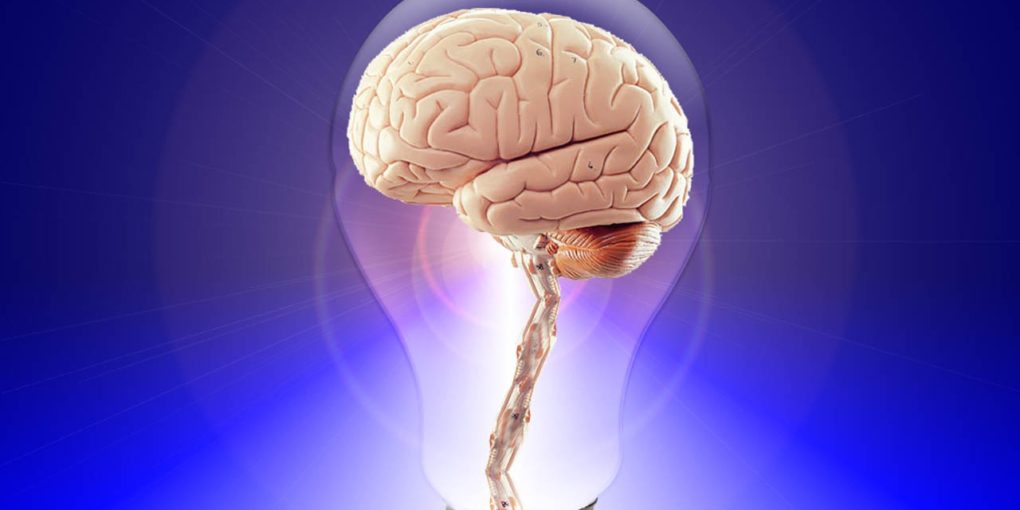
Algorithm Predicts Alzheimer’s by Reading Their Writing

IBM researchers trained artificial intelligence to pick up hints of changes in language ahead of the onset of neurological diseases.

By Gina Kolata for The Times   Image by PublicDomainPictures at Pixabay

Is it possible to predict who will develop Alzheimer’s disease simply by looking at writing patterns years before there are symptoms?

According to a new study by IBM researchers, the answer is yes.

And, they and others say that Alzheimer’s is just the beginning.

People with a wide variety of neurological illnesses have distinctive language patterns that, investigators suspect, may serve as early warning signs of their diseases.

1 4 5 6 7 8 15